
SPEAK
THIS WEEK
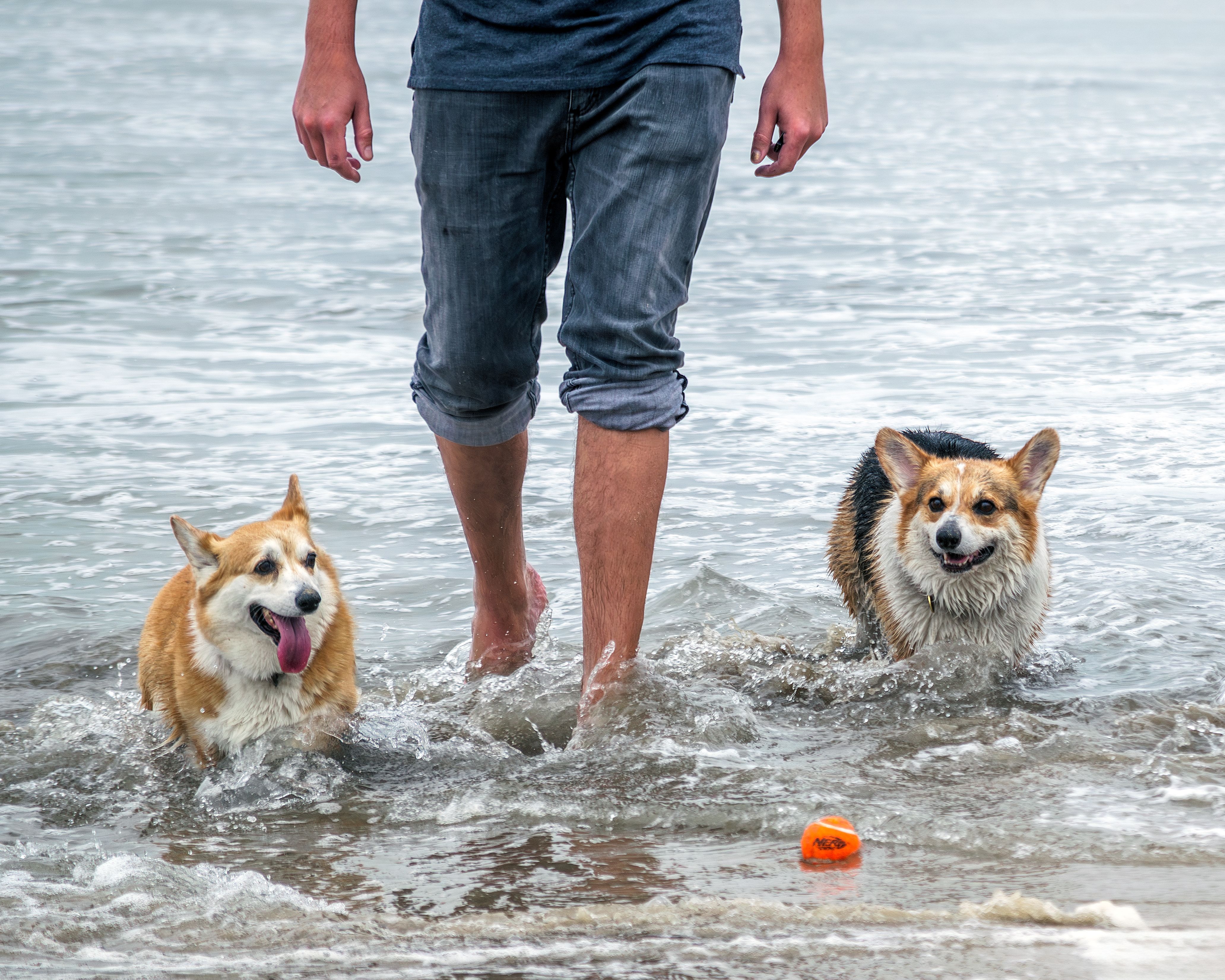
Summer has a way of changing our routines. More time at home, vacations, flexible schedules, longer evenings, and extra walks often mean our dogs get used to having us around a little more than usual. Then, almost overnight, life settles back into its normal rhythm. The house is quieter, the calendar fills up again, and our dogs are left wondering where everyone went.
In this issue, we're sharing a few simple ways to help your dog adjust to changing routines before separation anxiety has a chance to set in. We're also looking at a new study that put an AI-powered stethoscope head-to-head with experienced veterinarians—with some surprising results—and an update on the screwworm situation we covered in our last issue.
PET OF THE WEEK
This week's Pet of the Week is Niko—a pup with what can only be described as a superhero-level sixth sense.
Some dogs have a knack for fetching tennis balls. Niko has a knack for knowing exactly when he's needed most. Niko is a beautiful reminder that dogs have an amazing ability to understand us in ways we'll never fully explain.
Thanks for being such an incredible companion, Niko—you've definitely earned this week's spotlight!

Hi, I’m Niko!
IN THE NEWS

AI Stethoscope Tested on Dogs—It Still Couldn't Match Veterinarians
Artificial intelligence is finding its way into veterinary clinics, but a new study suggests it's not ready to replace a veterinarian's expertise.
Researchers at North Carolina State University tested an AI-enabled digital stethoscope on 54 dogs, comparing its performance to experienced veterinarians and fourth-year veterinary students. The device correctly identified 33 of 38 heart murmurs (87%), matching the veterinary students' performance. But when it came to heart rhythm problems, the results were far less impressive. The AI failed to correctly identify a single dog as having a normal heart rhythm and incorrectly diagnosed 22 dogs with atrial fibrillation when they didn't have it.
The researchers say the biggest challenge is that most AI algorithms were originally developed using human heart sounds, not canine ones. While the technology may become a useful screening tool in the future, the study reinforces that it should support—not replace—a veterinarian's clinical judgment. Source: JAVMA
FDA Authorizes Another Treatment for New World Screwworm in Dogs
The FDA has announced another tool in the fight against New World screwworm, issuing an Emergency Use Authorization (EUA) for Simparica TRIO to treat screwworm infestations in dogs and puppies.
There are two important things for dog owners to know. First, this authorization is for treatment only—it is not approved to prevent screwworm infestations before travel or exposure. Second, Simparica TRIO is available by prescription only because it belongs to the isoxazoline class of medications, which can cause neurologic side effects such as muscle tremors, loss of coordination, and seizures in some dogs.
The good news is that the FDA says the parasite remains limited to specific areas of Texas and New Mexico, and containment efforts continue to be successful. If you're traveling to affected areas or returning from countries where screwworm has been identified, it's still important to monitor your dog for unusual wounds, visible maggots, or foul-smelling sores and contact your veterinarian immediately if you notice anything concerning. This new authorization does not change the travel certificate requirements we discussed in last week's newsletter. Source: FDA
Parvo Season Is Here—Is Your Dog Protected?
Late summer is when veterinarians typically begin seeing more cases of canine parvovirus, one of the most contagious and potentially deadly diseases affecting dogs. Puppies are especially vulnerable, but unvaccinated adult dogs can become seriously ill as well. Because the virus can survive in the environment for months, exposure can happen long after an infected dog has been in the area.
Early signs include vomiting, severe (often bloody) diarrhea, loss of appetite, lethargy, and fever. Without prompt treatment, parvo can progress quickly—especially in young puppies.
The good news is that prevention is simple and highly effective: vaccination. If you can't remember when your dog last received a parvo vaccine, now is a great time to check your records or give your veterinarian a quick call. It's one of the easiest ways to protect your best friend. Source: Texas A&M College of Veterinary Medicine
WHEN THE HOUSE GETS QUIET
Summer often brings a different rhythm to life. More people are home, walks happen later, vacations break up the routine, and our dogs get used to having us around more often. Then, almost overnight, life gets busy again—and our dogs are left wondering what changed.
The good news? A little preparation can make the transition much easier.
Signs Your Dog May Be Struggling
Keep an eye out for:
Pacing or restlessness
Waiting by the door or excessive drooling
Skipping meals while you're away
Chewing or destructive behavior
Accidents despite being house-trained
Over-the-top greetings that seem more like relief than excitement
Help Them Adjust Before the Routine Changes
Instead of changing everything overnight, try easing into your new schedule.
Shift walks and mealtimes gradually over several days.
Practice leaving for 10–15 minutes at a time, then slowly increase the length.
Keep departures and arrivals calm and low-key.
Leave a TV, radio, or white noise playing if your dog is used to activity around the house.
Make Alone Time a Good Thing
Give your dog something special only when you leave:
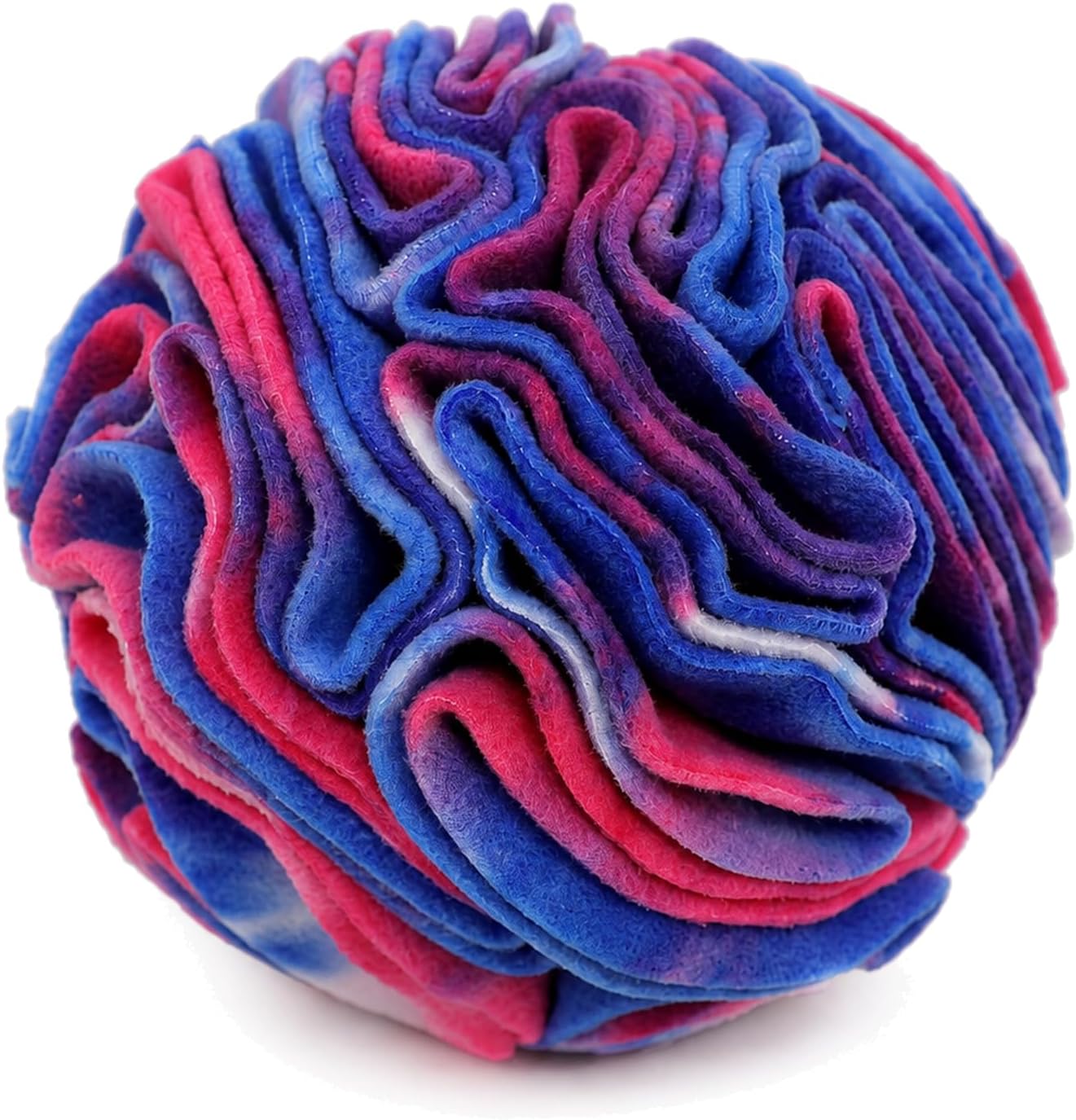
A stuffed Kong or lick mat
A puzzle feeder
A favorite long-lasting chew
The goal is for your departure to become the start of something they look forward to.
Know When to Ask for Help
If your dog is:
Breaking out of crates
Injuring themselves trying to escape
Panicking within minutes of you leaving
Showing sudden or severe behavior changes
...it's time to talk with your veterinarian. Some medical conditions can look like anxiety, and some dogs benefit from medication or working with a veterinary behaviorist.
A little planning now can help your best friend feel safe, confident, and comfortable when the house gets quiet again.
As an Amazon Associate, SPEAK earns from qualifying purchases.

DID YOU KNOW…
Your Dog's Nose Is Like a Fingerprint
No two dogs have the same nose print. In fact, the Canadian Kennel Club has accepted nose prints as a form of canine identification since 1938. Researchers later confirmed that a dog's unique nose pattern is fully developed by about eight weeks of age and stays the same throughout their life.
Yawning Can Be Contagious... Even Between You and Your Dog
Ever yawned only to have your dog yawn right back? Studies have found that dogs are more likely to "catch" a yawn from someone they know and trust than from a stranger. Scientists believe it's another sign of the close emotional bond dogs share with their humans.
Dogs Sweat—Just Not the Way We Do
Dogs cool themselves mainly by panting, but they also have sweat glands in their paw pads. That's why you might notice tiny wet paw prints on the floor after your dog has been running around on a hot day. It's one more reason to avoid hot pavement and make sure your pup always has plenty of water.
THE FEED
The Case for Dog TV
If your dog seems unsettled when the house is empty, leaving the TV on might do more than provide background noise.
Research suggests that some dogs find familiar sounds comforting, and television or calming music can help mask sudden noises like traffic, delivery drivers, or neighbors that might otherwise trigger barking or anxiety. While not every dog is interested in watching a screen, many do respond to moving animals, nature scenes, and gentle sounds.
This week we're featuring a video designed specifically for dogs. It combines relaxing music with peaceful outdoor scenes, slow-moving animals, and calming visuals that may help keep your pup relaxed while you're away or simply provide a little background companionship during the day.
Is it a cure for separation anxiety? No. But for many dogs, it can be one more tool to create a calmer environment—and if your pup enjoys watching squirrels on TV as much as they do outside, it's definitely worth a try.
PARTING WORDS
“The dog has got more fun out of Man than Man has got out of the dog, for the clearly demonstrable reason that Man is the more laughable of the two animals.” - James Thurber
See you next Friday,

For dog people. By dog people.